
Where exactly do you put a roll-off dumpster when the driveway also has to launch two cars, a stroller, and a kid on a bike every single morning? That’s the real question most people forget to ask when they book a container for a garage cleanout or a kitchen demo. The dumpster shows up, sits for a week or ten days, and suddenly the daily rhythm of the house has to bend around a steel box. A little planning up front keeps it from becoming the most inconvenient thing in your Lancaster driveway.
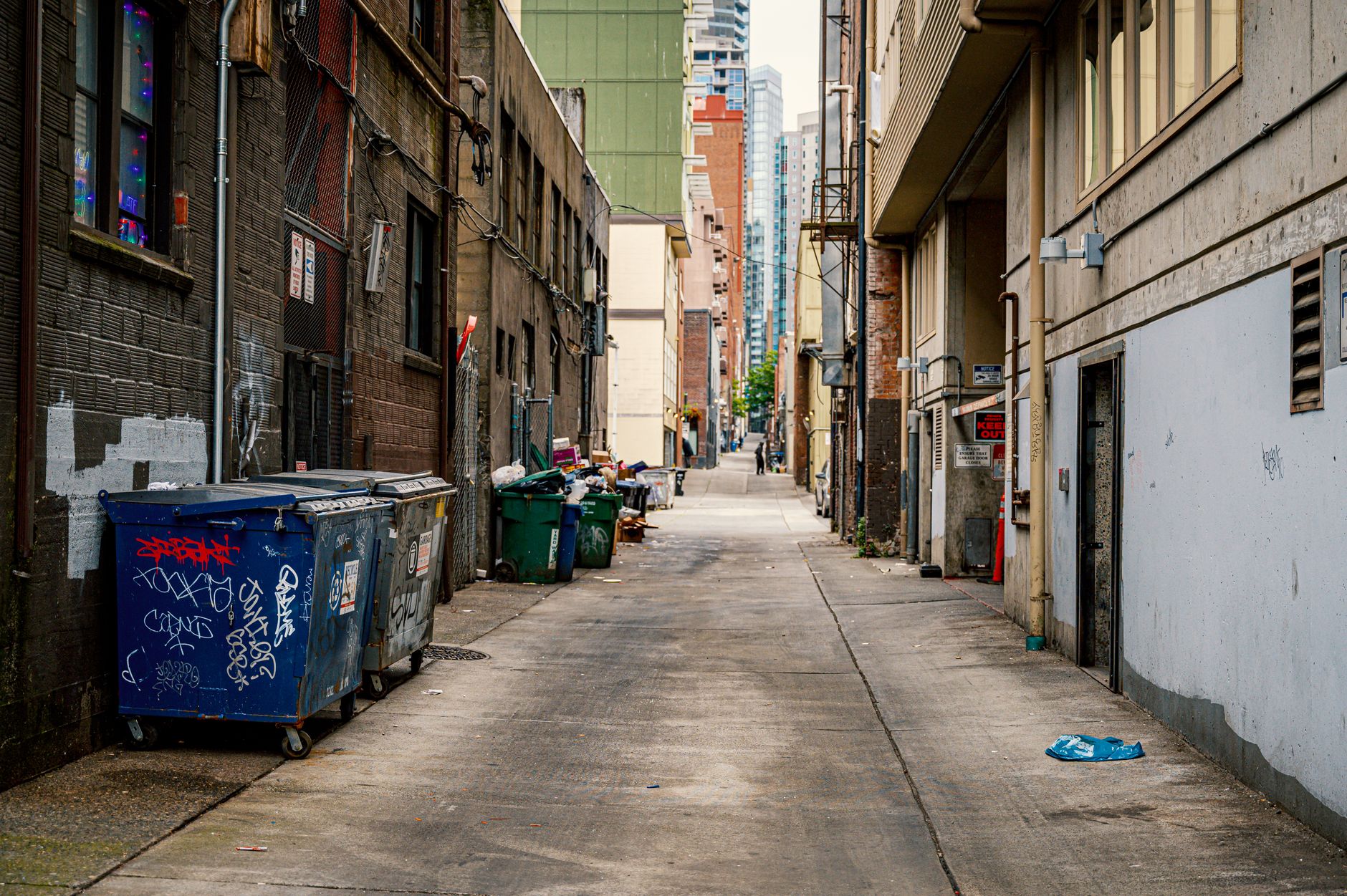
Parking the box where it traps your own car in the driveway
The single most common mistake is dropping the container in the middle of the driveway and only realizing afterward that it’s now standing between your car and the street. If you back the car in and put the bin behind it, you’re stuck until pickup day. If you park facing out and the bin blocks the garage, you can’t get to the second vehicle at all.
Before delivery, walk the driveway and figure out which vehicle you actually need every day, then leave that path clear. It helps to talk through placement with your hauler in advance; the crews at LCR Dumpster Rental would rather set the container along one edge than wedge it somewhere that pins your car in for a week. A container tucked to the side of the driveway usually leaves enough room to slip a car past, and that small choice saves you from a daily game of musical vehicles.
Leaving the container in the one spot the whole family cuts through
Every house has a worn path. Maybe it’s the side door to the trash cans, or the shortcut from the driveway to the back gate. Set a dumpster across that line and you’ll spend the week detouring around it with grocery bags, laundry, and kids in tow. Think about where people actually walk, not just where the bin technically fits, and keep that route open.
Underestimating how long an open bin sits within a kid’s reach
A dumpster isn’t there for an afternoon. It’s parked for days, often with a low back end that a curious child can peer into or climb toward. Nails, broken tile, splintered wood, and torn insulation all end up in there, and none of it is friendly to small hands. Set a rule the moment the container arrives, and reinforce it, because a bin that’s been sitting quietly for four days stops registering as dangerous long before it stops being dangerous. If you’re loading in bursts, cover or block the low side when you step away.
Forgetting the pets who treat a low dumpster like an invitation
Dogs jump. Cats explore. A tilted roll-off with a loading end near the ground is basically a ramp to a pile of hazards, and food-scented junk or leftover packaging pulls them right in. Keep pets inside or leashed while the bin is on site, and do a quick check before every pickup so nothing living is napping in the corner of the container.
Why does the mess creep back into the house every night?
Here’s a quieter problem: you load debris all day, then track sawdust, grit, and shards back across the threshold every trip. By evening the house feels dirtier than the project site. Stage a mat or a drop zone at the door, keep a broom by the exit, and finish each work session with a two-minute sweep of the path between the house and the bin. The debris stays where it belongs instead of migrating back into the living room.
Letting the bin block the trash and recycling day routine
Normal household garbage doesn’t pause because a dumpster arrived. If the container sits on top of your usual bin spot or blocks the curb where you set out recycling, collection day turns into a scramble. Check which day pickup lands on in your neighborhood and make sure your regular carts still have a clear path to the curb.
Overlooking how your neighbors live around it too
On the closer streets around Lancaster, a driveway container can edge into a shared sightline, a shared driveway apron, or the spot a neighbor relies on for parking. A quick heads-up before delivery goes a long way, and keeping the bin fully on your own property avoids the awkward conversation later. The bin leaves in a week; the neighbors stay.
None of these mistakes is expensive to avoid, but each one quietly costs you time and patience across the days the container sits. The households that barely notice the dumpster are simply the ones who decided, before it arrived, exactly where it would sit and how everyone would move around it.