
Most water heaters don’t fail on a mild April afternoon. They fail on the first genuinely cold morning of the year, or during a July stretch when the whole household is showering, running laundry, and topping off the pool. The strain that finally breaks a tank almost always lines up with a seasonal spike, which means the calendar tells you more about your heater’s health than you might expect.
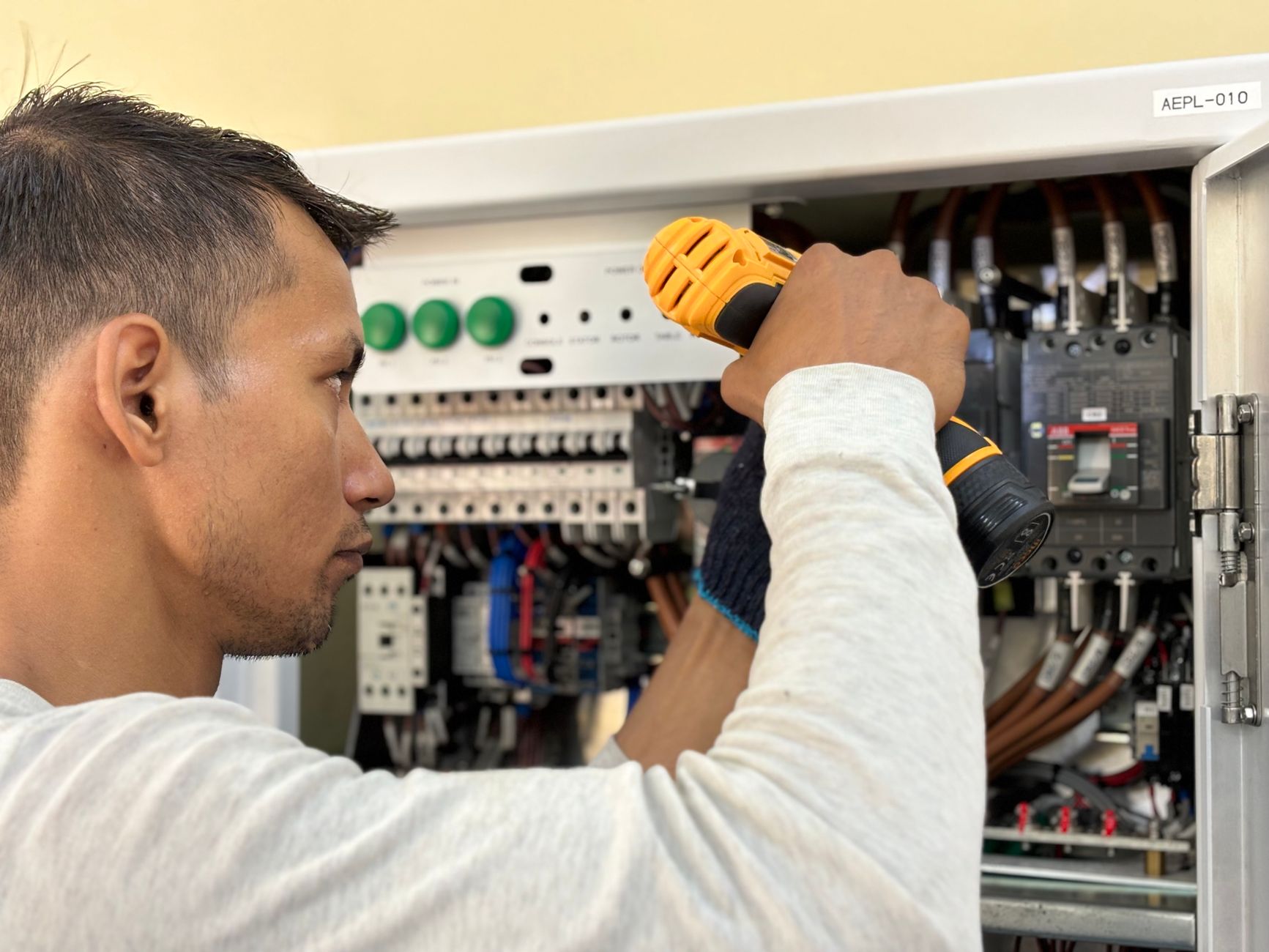
Why do winter cold snaps push an aging tank past its limit?
When temperatures drop into the twenties or low thirties across north Georgia, the water arriving at your tank comes in colder than it does the rest of the year. A heater that comfortably raised 60-degree groundwater to a hot setting now has to lift 40-degree water the same distance, and it has to do it while people are demanding more of it.
That extra workload is exactly what exposes a tank already carrying age or sediment. The burner or elements run longer cycles, the thermostat calls for heat more often, and any weak component gets pushed harder than it has been in months. An older tank that limped through fall can go from “a little slow to recover” to “cold by the second shower” in the space of one cold snap. Winter is when hairline problems become obvious problems, usually at the worst possible time to find a crew available.
How does the summer heat quietly change your hot water demand?
Summer strain is subtler, and that’s what makes people miss it. The incoming water is warmer, so the heater doesn’t have to work as hard per gallon. But total demand often climbs anyway: more guests, longer days, more laundry, kids home from school, garden hoses and outdoor rinses that pull on the same system.
Meanwhile, a garage or utility-closet installation sits in ambient heat that can top 90 degrees for weeks. The heater’s surroundings stay warm, its own standby losses shift, and a unit already near the end of its service life keeps grinding without ever getting the cooler nighttime break it might have relied on in spring. So while the tank isn’t fighting cold water, it also rarely gets a quiet moment to rest. Summer doesn’t stress the heater the way winter does; it just keeps the demand steady and unrelenting.
When should you book work during the calmer shoulder months?
The window between the seasons is the one nobody thinks to use, and that’s precisely why it’s the smart one. In spring and again in fall, incoming water sits at a moderate temperature, household demand settles down, and your heater isn’t being asked to perform at either extreme. If a component is marginal, you have room to address it before the next peak arrives rather than during it.
Scheduling in these calmer stretches also works in your favor practically. Crews aren’t buried under emergency calls the way they are after the first freeze, so you can plan around your own week instead of scrambling. If your tank is showing its age and a swap makes more sense than another patch, arranging a water heater replacement marietta in the off-peak months means you choose the timing instead of the failure choosing it for you. That difference, planned versus forced, is the whole argument for acting early.
A shoulder-season appointment also gives you a clean baseline. A technician can flush the tank, check the anode and pressure relief, and confirm the unit is ready before either extreme tests it. You go into winter and summer knowing where you stand rather than guessing.
So which risk do you want to carry?
The honest choice in front of you isn’t really about a single season. It’s about whether you’d rather deal with your water heater on a quiet, ordinary week of your own choosing, or on the coldest morning or busiest summer weekend when the system is already stretched thin. Knowing which season strains your tank hardest tells you exactly when to get ahead of it.